Pocket Doors Offer an Ideal Solution for Your Indoor-Outdoor Living Space
Sliding doors provide an effective option for improving indoor-outdoor spaces. Their design enables a smooth transition between spaces, maximizing natural light and vistas. This aspect not only enhances aesthetics but also promotes better air circulation and flexible room layouts. As homeowners aim to integrate nature into their everyday routines, the advantages of sliding doors become ever more important. Investigating the different designs and advantages reveals even more compelling reasons to consider them for any home.

The Positive Aspects of Sliding Doors for Indoor-Outdoor Living
Sliding doors create a seamless transition between indoor and outdoor spaces, enhancing the overall circulation of a home. Their expansive glass panels allow natural light to flood interiors, forming a bright and inviting atmosphere. This not only improves the visual charm but also fosters a sense of connection with nature, rendering indoor-outdoor living more enjoyable.
Additionally, sliding doors are space-efficient, since they don’t need room for swinging like standard doors, making them well-suited for compact areas. They can also be designed to blend harmoniously various architectural styles, boosting the home’s overall design.
Likewise, exterior doors can strengthen ventilation, permitting natural light and air to spread freely, which is wonderfully beneficial in summer seasons. They also extend simple access to external areas, fostering activities like dining al fresco or entertaining visitors. Overall, sliding doors amplify the functionality and pleasure of living spaces, positioning them as a favored choice for modern homes.
Guidelines for Choosing the Right Sliding Door Aesthetic for Your Home
Selecting the appropriate sliding door design involves multiple critical factors. Homeowners should initially evaluate their home's design aesthetic to guarantee a unified look, while also evaluating the available area and intended functionality. Additionally, the selection of substances and their longevity can greatly impact both aesthetics and functionality.
Reflect on your home's visual style
When selecting a sliding door option, homeowners must consider the overall ambiance of their residence. The chosen style should fit with existing architectural features and interior design elements. For modern homes, smooth and minimalist designs, such as aluminum or frameless glass doors, may be advantageous, promoting a seamless shift between spaces. Conversely, traditional residences might benefit from wood-framed doors, which add warmth and character. Color and finish are also essential; neutral tones often complement various styles, while bold colors can serve as a statement piece. Ultimately, aligning the sliding door style with the home's overall design not only elevates visual appeal but also contributes to a cohesive indoor-outdoor living experience.
Assess Layout and Functional Efficiency
When selecting the ideal sliding door for a home, room and functionality are major considerations. Homeowners should first review the available space to determine the appropriate door size and style. For smaller spaces, a single-panel sliding door may be more suitable, while larger openings can accommodate multi-panel designs that boost the view and light. Moreover, the functionality of the space plays a vital role; for instance, a door opening onto a patio may prioritize ease of access, while one connecting to a garden might focus on aesthetic appeal. Studying traffic patterns and the designated use of the area will further aid in selecting a door that complements both the architectural style and practical needs of the home.
Evaluate Material and Durability
A range of materials are offered for sliding doors, each offering distinct benefits regarding longevity and aesthetics. Common choices include wood, aluminum, vinyl, and fiberglass. Wood provides a traditional look but requires consistent maintenance to avoid warping. Aluminum, known for its robustness and resistance to weathering, presents a sleek, modern appearance. Vinyl is low-maintenance and energy-saving, making it a popular choice for homeowners. Fiberglass blends the best attributes of wood and aluminum, boasting durability while replicating wood's aesthetic appeal. When selecting a sliding door, it is essential to consider climate conditions and the door's intended use, guaranteeing that the chosen material matches with both performance and style preferences. In the end, the right choice enhances the interior-exterior experience.
Crafting Effortless Transitions Using Sliding Doors
Sliding doors can significantly improve the flow of natural light between interior and exterior spaces, producing a more welcoming atmosphere. By incorporating these doors, homeowners can also maximize space efficiency, making areas seem larger and more integrated. This smooth transition not only improves aesthetics but also elevates the overall functionality of a home.
Boost Natural Illumination Circulation
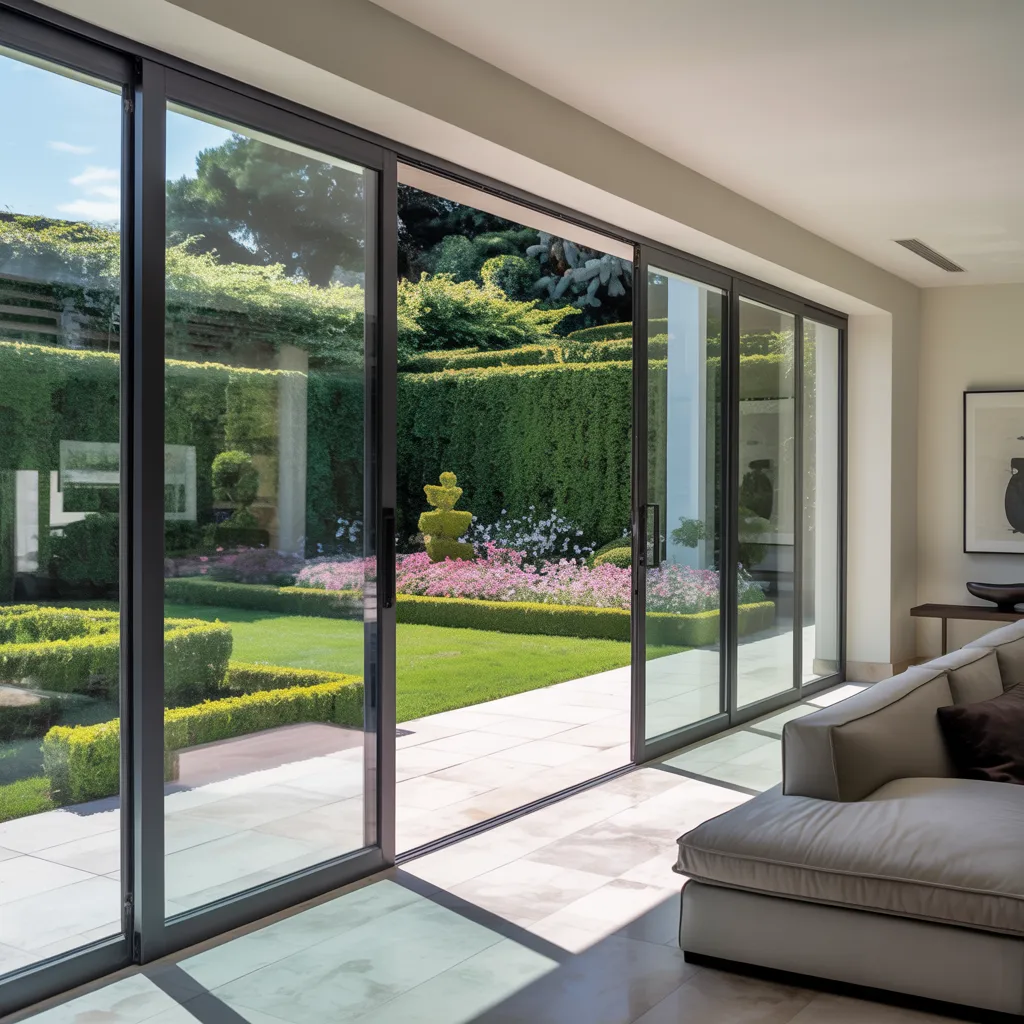
Embracing the radiance of bright daylight transforms living spaces, creating a charming atmosphere that boosts both coziness and aesthetic qualities. Sliding glass doors function as a practical means for maximizing this light distribution. Their wide transparent panels facilitate bright rays to stream through, diminishing the barriers between exterior and interior spaces. This smooth transition not only brightens home areas but also generates an open and airy feeling, leaving spaces appear more expansive and aligned with natural elements. By thoughtfully installing sliding glass doors, homeowners can capitalize on scenery and natural illumination at varying moments throughout the day. Whether in a intimate culinary space or a large social area, the incorporation of glass sliding doors strengthens the overall mood, fostering a welcoming and comfortable environment that supports ease and contentment.
Improve Space Optimization
Changing rooms with sliding doors can significantly increase spatial efficiency in homes. These doors do away with the need for swing space needed by traditional copyrightd doors, allowing for more flexible furniture placements and maximizing usable areas. By seamlessly integrating indoor and outdoor spaces, sliding doors create an illusion of expanded living areas, fostering a more open feel. They can be hung in various configurations to suit different layouts, ensuring optimal flow and accessibility. Additionally, many new sliding doors have slim frames and expansive glass panels, which not only boost aesthetics but also lessen visual clutter. This smart design supports a harmonious transition between spaces, ultimately improving both space and function in contemporary living.
Caring for Your Sliding Doors to Maintain Enduring Beauty
Caring for sliding doors involves ongoing maintenance to confirm they prove to be both functional and beautifully maintained. Consistent cleaning is essential; dirt and debris can accumulate in pathways, compromising function and causing damage over time. Homeowners should use a tender cloth and mild detergent to buff the glass and edges, promising a unobstructed view and engaging look.
Additionally, inspecting the get going guides and bearings for wear and tear is vital. Lubricating these elements with a silicone spray can stop sticking and promote easy movement. Examining the seals for gaps or wear helps copyright energy efficiency and prevents humidity entry.
Finally, consistent inspections of the door's setup can identify any issues sooner, permitting for timely adjustments. By putting in a limited amount of time into these maintenance tasks, sliding doors can continue to enhance indoor-outdoor living spaces while retaining their elegance and performance for years to come.
Modernize Your Garden Space Using Bypass Doors
Sliding doors seamlessly erase the lines between indoor and outdoor living, establishing continuous connectivity that improves any space. By adding sliding doors into outdoor areas, homeowners can convert their patios, gardens, or balconies into practical additions of their interiors. These doors invite natural light, making outdoor spaces feel more welcoming and connected to the home.
Moreover, glass sliding doors can enhance the aesthetic appeal of outdoor areas, offering clear sightlines of nature while offering convenient entry. They create a flexible setting for relaxation, dining, or entertaining, enabling for flexible utilization of space according to the season.
Additionally, the diverse range of styles and materials obtainable ensures that sliding doors can match any structural aesthetic, upgrading the overall look of the residence. All in all, the integration of sliding doors not only maximizes outdoor functionality but also improves the daily lifestyle by cultivating a peaceful bond with nature.
Why Sliding Doors Enable Entertaining Uncomplicated and Relaxing
The integration of sliding doors not only improves the visual and practical aspects of outdoor spaces but also greatly simplifies the process of entertaining. With their seamless shift between indoor and outdoor areas, sliding doors create an welcoming environment for gatherings. Hosts can effortlessly transition between kitchens and patios, serving food and drinks without feeling confined.
Furthermore, the spacious openings facilitate communication among attendees, fostering mingling and engagement. The ability to readily expand a area enables for bigger gatherings, providing space for more visitors easily.
In addition, the ease of glass doors means that exterior features, such as barbecues or seating areas, are just nearby, reducing the need for excessive trips indoors. This accessibility adds to a comfortable setting where hosts can enjoy their time just as much as their guests. In the end, glass doors transform hosting into a more pleasant and less stressful experience.
Maximizing Natural Light and Views By Installing Sliding Doors
An wealth of natural light and beautiful vistas can dramatically alter a living space, and glass sliding doors play a pivotal role in achieving this effect. By establishing large apertures, glass sliding doors remove obstructions between interior and exterior spaces, allowing sunlight to flood interiors. This not only brightens spaces but also enhances the overall ambiance, making areas feel more welcoming and open.
Additionally, sliding doors provide clear sightlines of gardens, patios, or landscapes, bringing the beauty of nature indoors. The seamless shift motivates residents to interact with their surroundings, cultivating a sense of connection to the outdoors.
Moreover, contemporary glass doors often display large glass panels, which amplify light entry while offering green alternatives that copyright comfortable indoor temperatures. This fusion of design and practicality establishes sliding doors a superb choice for maximizing daylight and displaying scenery in any home.
Regular Inquiries Posed
Can Sliding Glass Doors Maintain Energy-Efficient Standards in Varying Climate Conditions?
Sliding doors ensure thermal efficiency in assorted climate conditions, chiefly when provided with double or triple glazing. Superior insulation and weather sealing additionally enhance their results, preventing heat loss and upholding comfortable indoor temperatures during every season.
What Security Measures Do Exist for Sliding Doors?
Sliding doors offer multiple security features, including multi-lock mechanisms, strengthened frames, security bars, and shatter-resistant glass. These enhancements help deter unwanted access, giving homeowners with increased sense of security concerning their transition areas between inside and outside.
How Significantly Do Sliding Doors Effect Home Resale Value?
Sliding doors can improve home property value considerably. Their desirability depends on establishing seamless shifts between inside and out spaces, luring buyers seeking modern aesthetics and functionality, thus potentially yielding higher offers and faster sales.
Can I install sliding door systems myself?
One can fit sliding doors on their own, provided they have basic carpentry skills and tools. However, meticulous measuring, correct leveling, and proper sealing are vital to assure proper functionality and energy efficiency, rendering professional assistance advisable for inexperienced individuals.
What Are the Finest Types for Sliding Doors?
The best materials for sliding doors include vinyl for energy efficiency, aluminum for durability, and wood for visual beauty. Each material offers distinct advantages, permitting homeowners to choose based on appearance, upkeep, and environmental considerations.